Incentive: something that incites or has a tendency to incite to determination or action
Subsidy: a grant by a government to a private person or company to assist an enterprise deemed advantageous to the public
(Merriam-Webster)
Corporations use incentives in a number of ways to “make things happen”. These are typically short duration programs to accelerate market entry for new products or services, such as reduced prices and warranty extensions, which are terminated when the product or service offering has achieved early market acceptance. They might also be unique offers, such as sign-on bonuses for new employees or performance bonuses for existing employees. These incentives reduce corporate profits in the short term to increase those profits in the longer term.
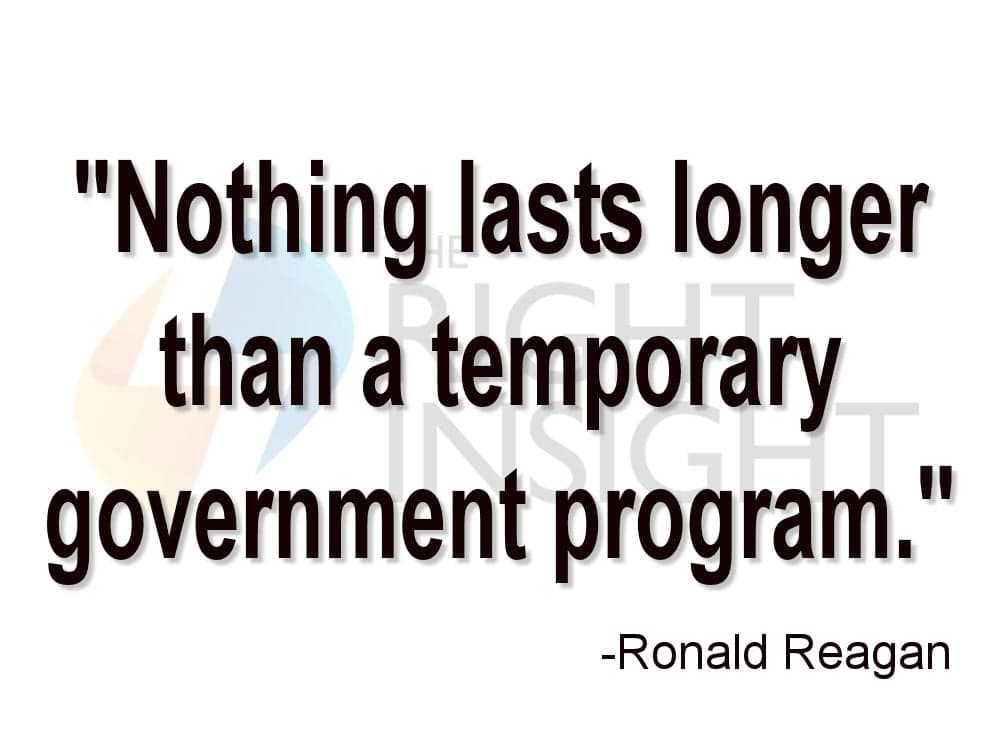
Governments tend to use subsidies rather than incentives. Subsidies reduce the price of a product or service experienced by the recipient, such as the price of electric vehicles and their charging infrastructure or the investment in wind and solar electric generation facilities and electricity storage infrastructure. These subsidies are frequently “intended” or claimed to be temporary, but are renewed repeatedly at the urging of lobbyists for the beneficiaries of the subsidies. The subsidies tend to be extended because the products and services they support would fail in the market without the subsidies.
Subsidies reduce the market-facing prices of products and services, though the actual costs of providing the products or services are unaffected. However, the societal costs of those products and services are actually increased by the costs of administering the subsidies and typically also by the fact that the funding for the subsidies is debt financed, resulting both in interest costs and in inflation.
The subsidies for electric vehicles and their charging infrastructure offset their higher cost. However, the recent removal of EV subsidies in the US and Germany has resulted in major reductions in EV sales, demonstrating that much of the apparent market strength of demand for these vehicles was dependent on the subsidies.
Pseudo-markets grown on subsidies tend to wither in their absence.
The subsidies for renewable generation have persisted for decades, despite major reductions in equipment cost and their advocates’ claims that renewable generation is the lowest cost source of electric power generation. These subsidies contribute to increased electric rates by supporting increased investment in redundant generation facilities while reducing the annual output of the conventional generation facilities required to provide backup generation during periods of low/no renewable generator output. Renewable generation is also effectively “subsidized” by state Renewable Portfolio Standards (RPS) and Clean Energy Standards (CES) which require progressive increases in the renewable generation share of electricity generation. The combination of conventional generation capacity retirements and reduced annual output from the remaining conventional generation fleet has driven major increases in utility capacity costs.
The impending elimination of renewable generation subsidies in the US has resulted in developer acceleration of planning and development schedules to qualify projects for subsidies before they are terminated. Renewable generation development will likely continue in RPS and CES states despite the elimination of federal subsidies.
'Nothing lasts longer than a temporary government program.', Ronald Reagan
- ORIGINAL CONTENT